


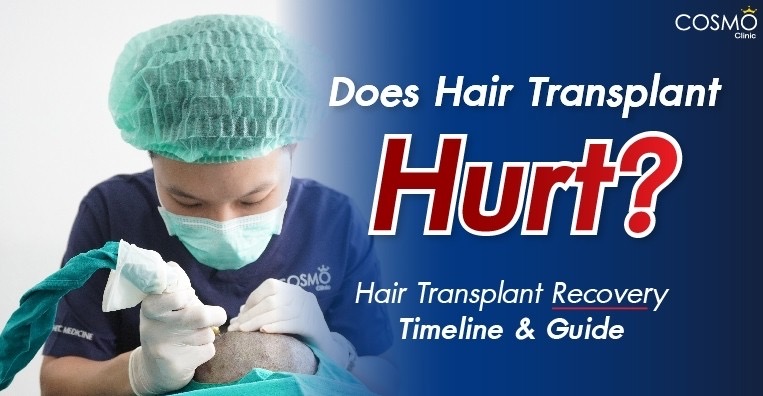
Does Hair Transplant Hurt?
This is one of the most common questions from people considering hair restoration.
The short answer is: most hair transplant procedures cause minimal and manageable discomfort.
Thanks to modern techniques and local anesthesia, patients usually feel little pain during the procedure and only mild soreness during recovery.
This article explains:
-
What a hair transplant involves
-
How pain is managed during treatment
-
What discomfort feels like after surgery
-
Differences between FUE and FUT
-
Recovery and pain management tips
What Is a Hair Transplant?
A hair transplant is a medical procedure that relocates healthy hair follicles from a donor area—usually the back or sides of the scalp—to areas with thinning hair or baldness.
The two most common techniques are:
FUE (Follicular Unit Extraction)
Individual hair follicles are extracted one by one and implanted into the recipient area.
This method is minimally invasive and typically associated with less discomfort and faster recovery. Learn more about FUE
FUT (Follicular Unit Transplantation)
A thin strip of scalp is removed from the donor area, and follicles are harvested from it.
This technique may involve slightly more post-procedure discomfort due to sutures.

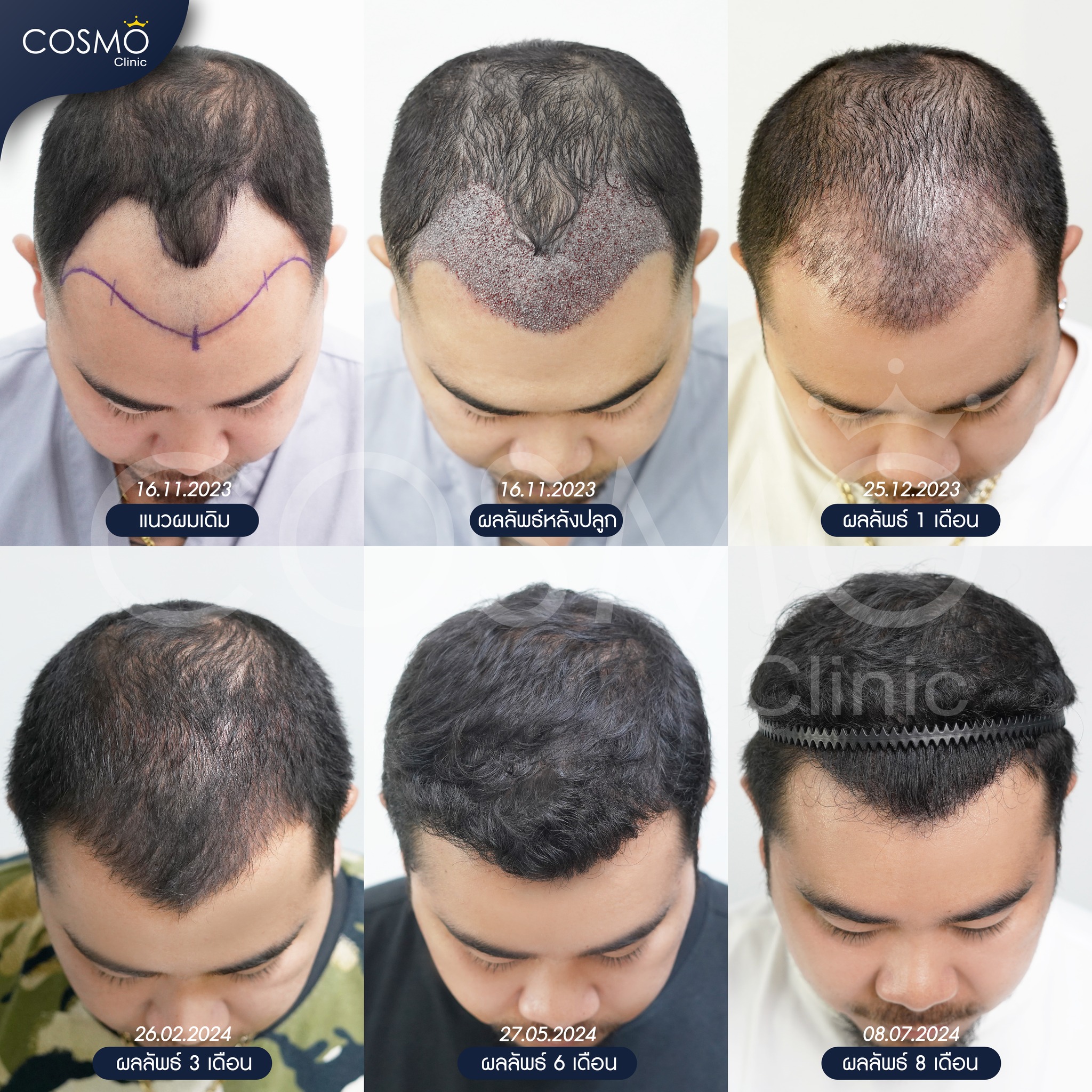


Does the Hair Transplant Procedure Hurt?
During the Procedure
Before treatment begins, local anesthesia is applied to numb both donor and recipient areas—similar to dental anesthesia.
Once numb:
-
Patients usually feel pressure or movement, not pain
-
Extraction and implantation are generally painless
-
Comfort is monitored throughout the procedure
Most patients are surprised by how comfortable the process feels.
What Does Recovery Feel Like After a Hair Transplant?
After anesthesia wears off, some temporary sensations may occur:
-
Mild soreness or tightness in the scalp
-
Sensitivity similar to sunburn
-
Light swelling in the first few days
This discomfort is usually mild and improves quickly.
Factors That Influence Discomfort
Several factors can affect how a person experiences recovery:
-
Procedure type: FUE usually causes less discomfort than FUT
-
Surgical technique: Skilled handling reduces tissue trauma
-
Individual pain tolerance: Sensitivity varies from person to person
-
Scalp sensitivity: Naturally sensitive scalps may feel more tenderness
Long-Term Comfort and Healing
- Discomfort usually fades within the first week
- FUE procedures rarely cause long-term pain
- Temporary numbness may occur and typically resolves on its own
- Scarring with FUE is minimal and often not noticeable
Conclusion
While the idea of surgery can feel intimidating, modern hair transplant procedures—especially FUE—are generally well tolerated and not overly painful.
With proper anesthesia, careful technique, and good aftercare, most patients experience only mild, temporary discomfort and recover smoothly.
If pain is a concern, discussing expectations and options with a qualified hair restoration professional can help ensure a comfortable experience.


About the Author
Dr. Pathompob Khunkitti, MD is a hair transplant doctor and ISHRS member with expertise in FUE, DHI, and long hair transplantation.
He specializes in advanced hair restoration, with strong knowledge of scalp anatomy and natural hairline design, delivering safe, natural-looking results trusted by patients.