


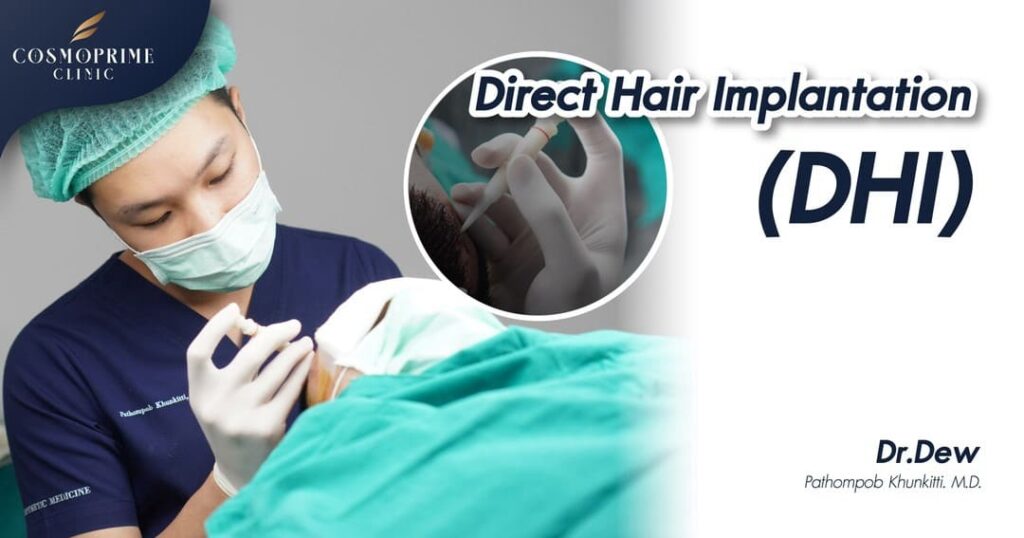
Direct Hair Implantation (DHI) Hair Transplant
Direct Hair Implantation (DHI) is an advanced hair transplant technique designed to restore hair with precision and natural-looking results.
Unlike traditional approaches, DHI allows hair follicles to be implanted directly into thinning areas with controlled angle, direction, and depth.
This guide explains how DHI works, its benefits, recovery expectations, possible side effects, and how it compares with FUE hair transplant.
Table of Contents
What Is Direct Hair Implantation (DHI)?
DHI is a hair restoration method where individual hair follicles are extracted from a donor area—typically the back or sides of the scalp—and implanted directly into the recipient area using specialized tools.
This direct implantation approach helps achieve:
-
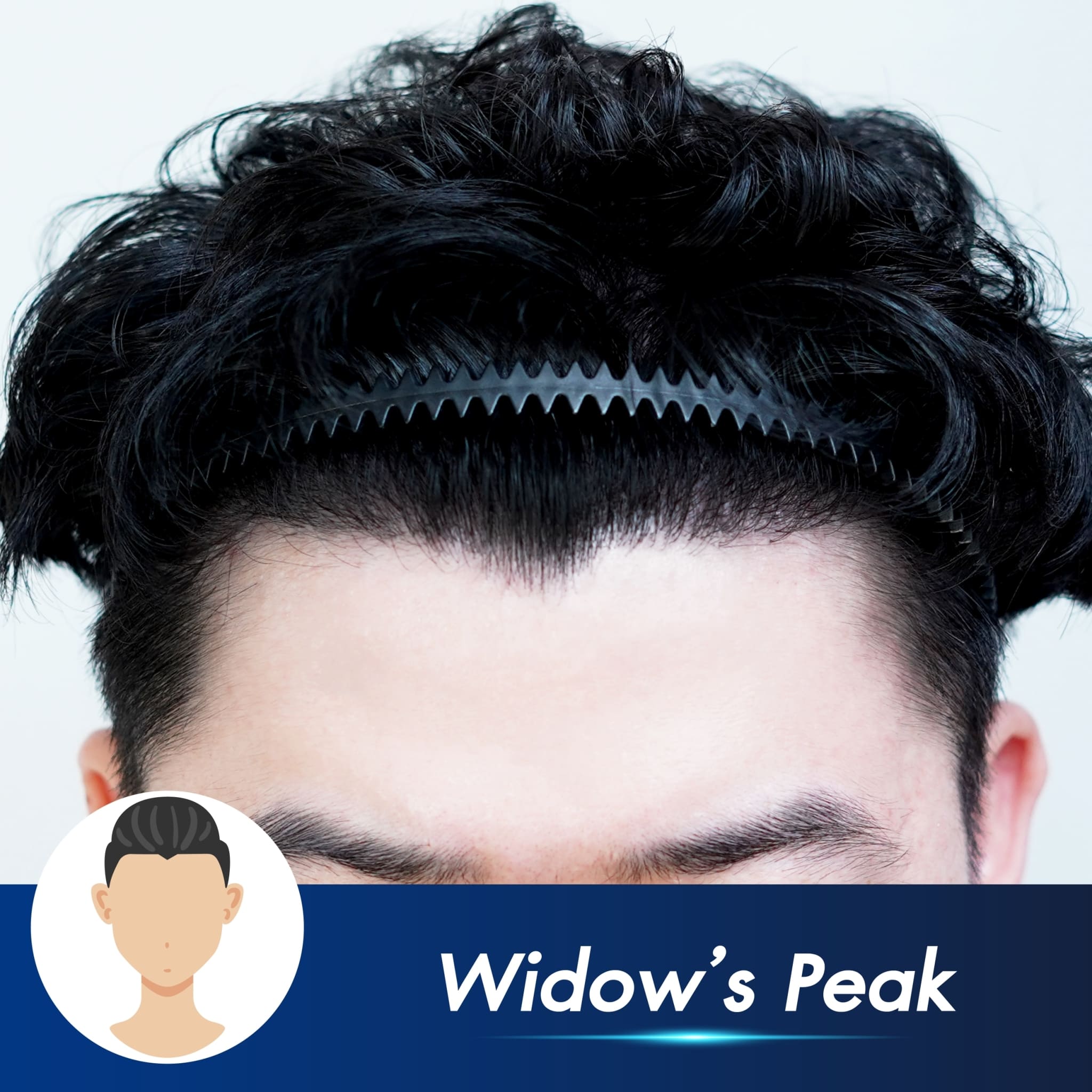
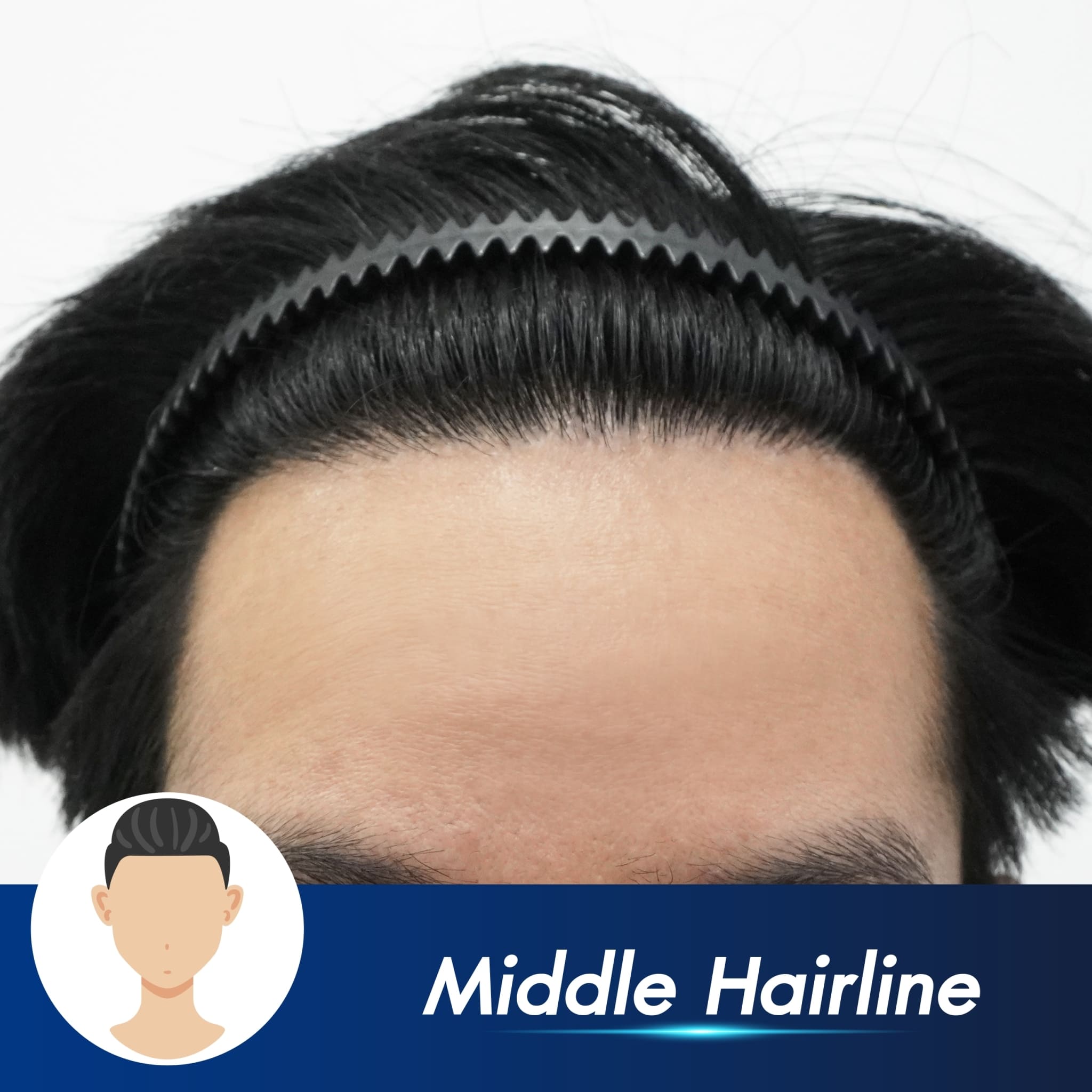
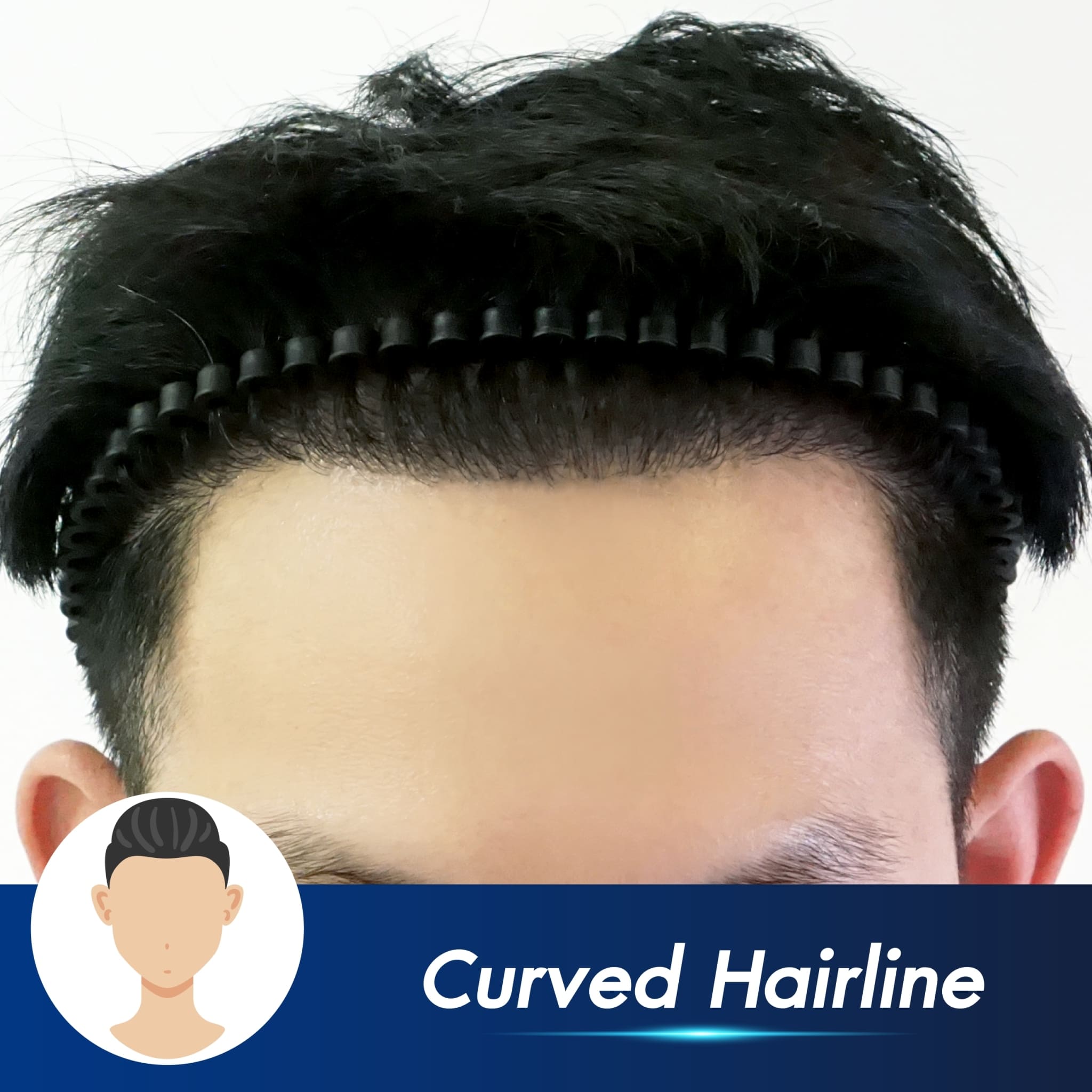
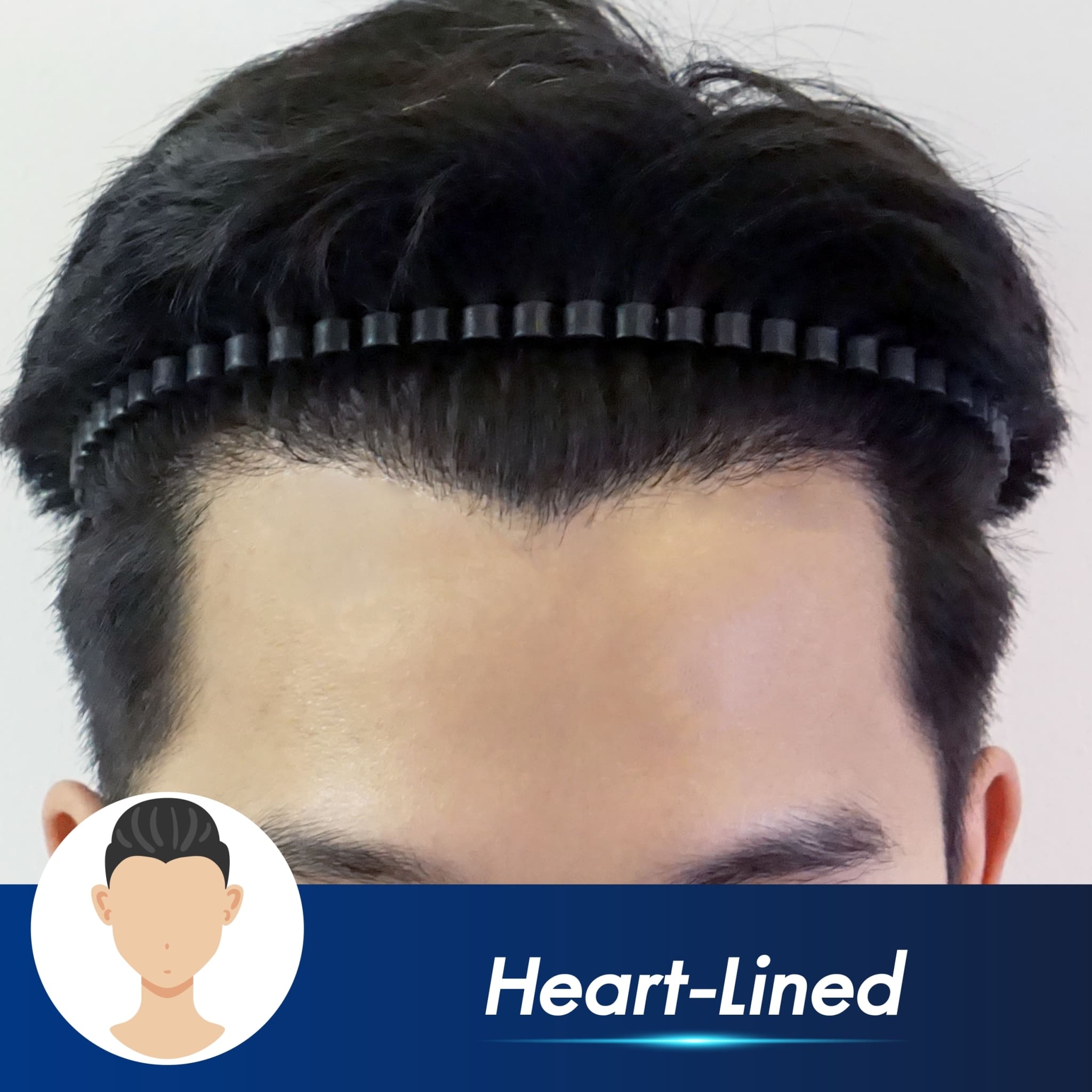
Natural hairline design
-
Controlled hair density
-
Consistent growth direction
The DHI Hair Transplant Procedure
Pre-Procedure Consultation
A detailed consultation is essential to assess hair loss, donor hair quality, and treatment goals. This helps determine whether DHI is suitable for your condition.
Preparation
The donor area (usually the back or sides of the scalp) and recipient area are prepared. Local anesthesia is applied to ensure patient comfort.
Hair Follicle Extraction
Individual hair follicles are carefully extracted from the donor area using specialized tools. This method helps preserve follicle viability and minimizes trauma.
Direct Implantation
Extracted follicles are implanted immediately into the recipient area. Each follicle is placed at the correct angle and direction to achieve natural growth patterns.
Post-Procedure Care
Patients receive aftercare instructions covering medication, scalp hygiene, and activity restrictions to support healing and graft survival.
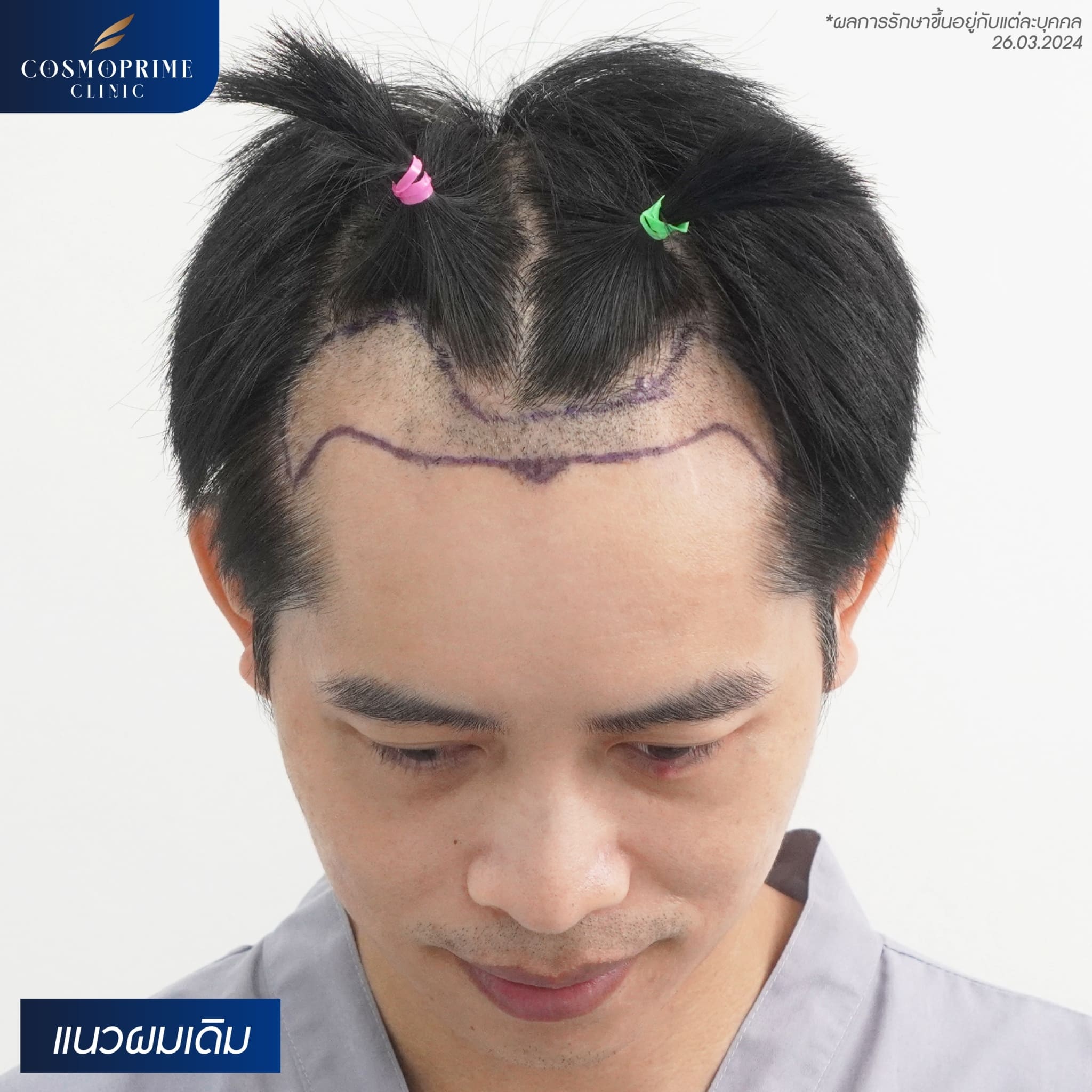
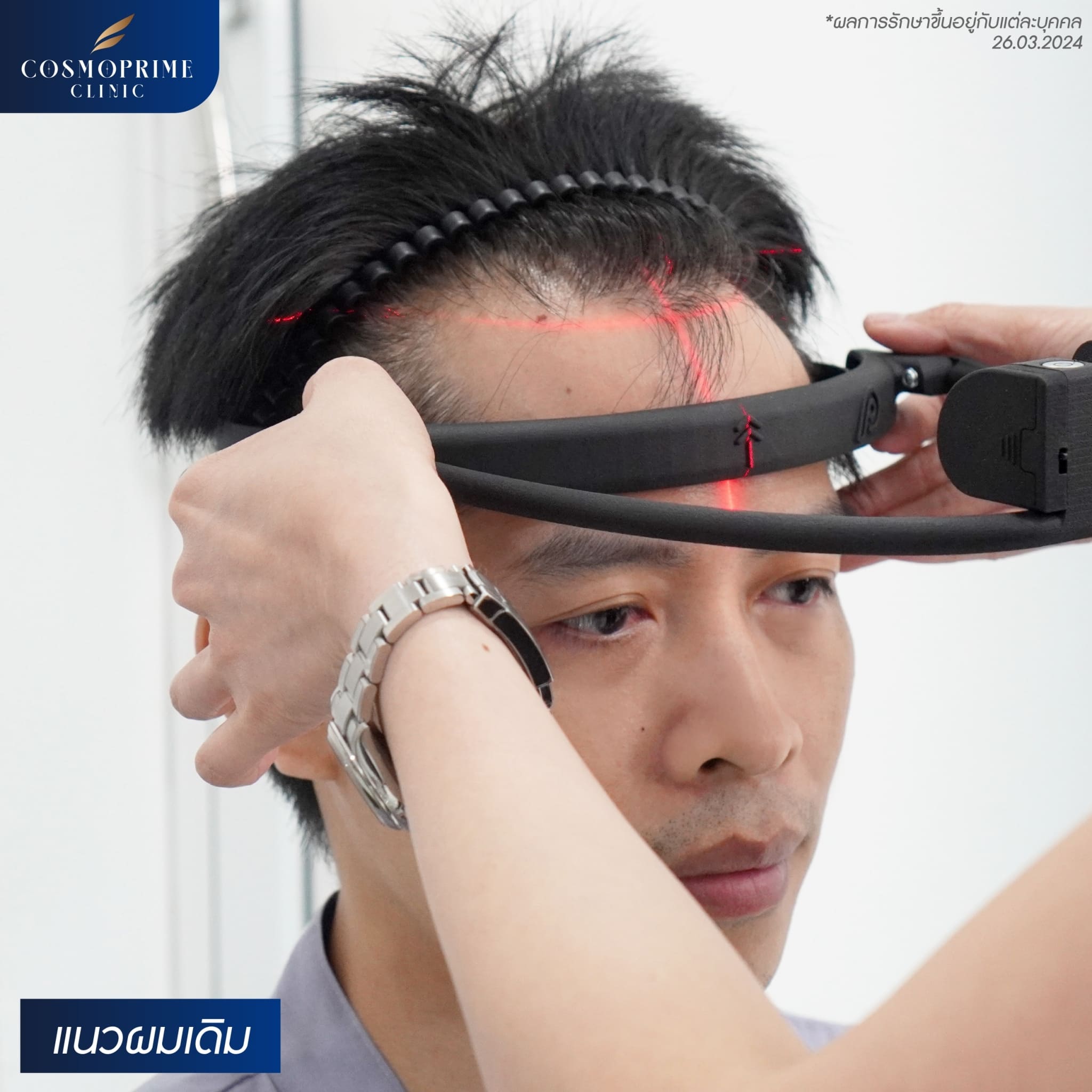

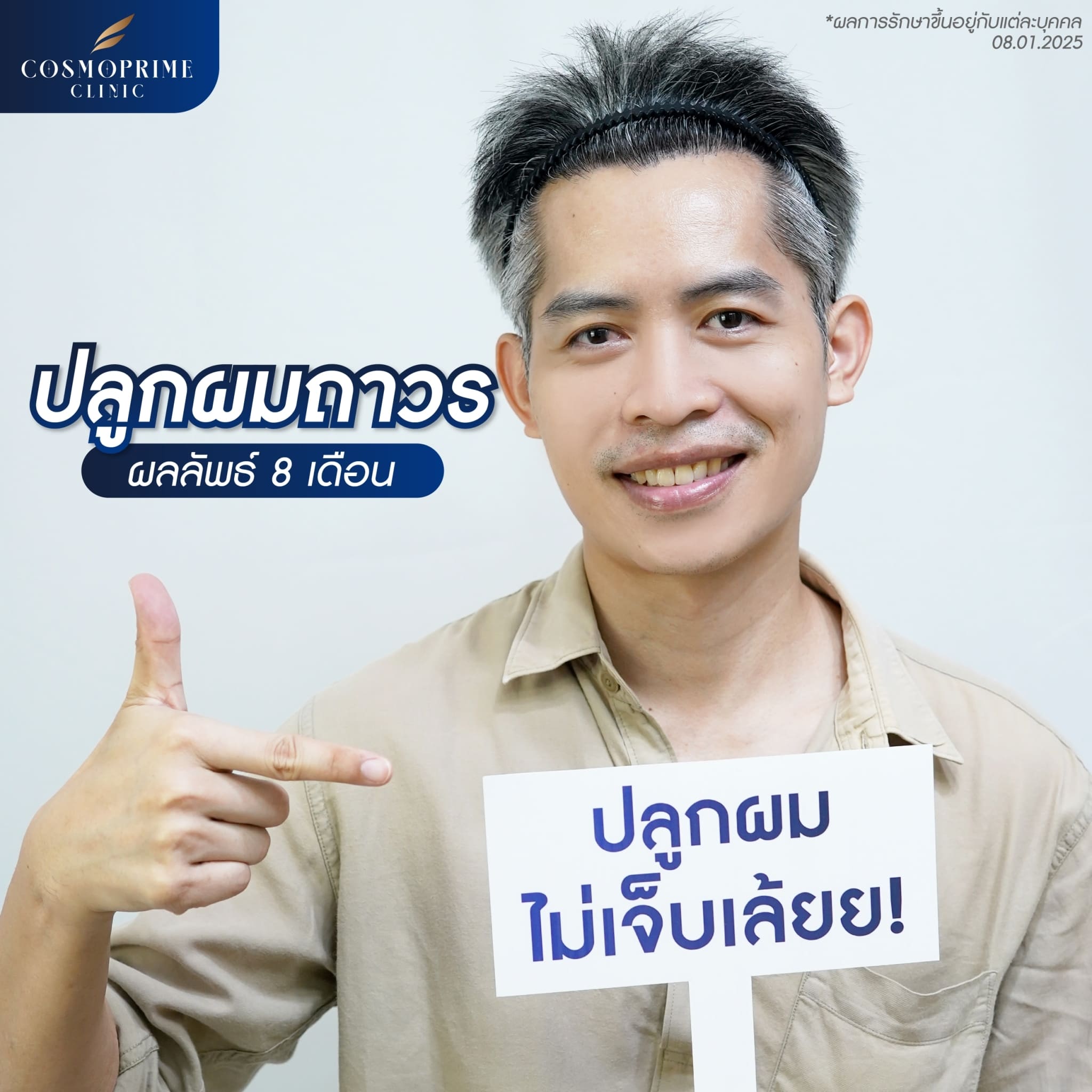
See more DHI hair transplant results
Understanding Hair Grafts
A hair graft refers to hair follicles transplanted from a donor site to areas with thinning or hair loss.
Modern hair transplantation typically uses micrografts, which contain one to two hairs per graft. This allows for:
-
Natural hairline design
-
Better density control
-
Softer, more realistic results
Advantages of DHI Hair Transplant
DHI offers several benefits compared with older techniques:
- Natural and dense hairline due to precise follicle placement
- Minimally invasive with reduced scalp trauma
- Faster recovery compared to strip-based methods
- High control over hair direction and density
These advantages make DHI a popular choice for patients seeking refined results.
DHI Recovery Timeline & Results
Recovery after DHI is generally smooth:
- First few days: Mild swelling or tenderness may occur
- First weeks: Small scabs form and fall off naturally
- Months 3–6: New hair growth begins
- Months 9–12: Fuller results gradually appear
Temporary shedding of transplanted hairs is normal and part of the growth cycle.
DHI vs FUE: Which Hair Transplant Technique Is Better?
DHI and FUE are both modern and effective techniques.
-
DHI focuses on direct implantation with high control over placement
-
FUE extracts follicles individually and implants them in a separate step
There is no single “best” method for everyone. The right choice depends on hair characteristics, goals, and professional evaluation.
👉 You can learn more about FUE hair transplant and how the procedure works
Possible Side Effects of DHI Hair Transplant
Like all medical procedures, DHI may involve temporary side effects:
-
Mild swelling in the scalp or forehead
-
Scabbing or crusting around implanted follicles
-
Temporary redness or itching
-
Mild scalp discomfort
-
Temporary numbness
-
Shock loss (temporary shedding before regrowth)
These effects usually resolve with proper care and time.
If you’re concerned about comfort, read our guide on whether hair transplant procedures are painful.
FAQ
Q1: What is DHI hair transplant?
A: DHI (Direct Hair Implantation) is a hair transplant technique where individual follicles are implanted directly into the recipient area using specialized instruments. This allows precise control of angle, direction, and depth for natural-looking results.
Q2: How is DHI different from FUE?
A: Both DHI and FUE extract follicles individually from the donor area. The main difference is the implantation step—DHI focuses on direct implantation with precise placement control. The best option depends on your hair characteristics and treatment goals.
Q3: Who is a good candidate for DHI?
A: Many people with thinning hair or pattern hair loss may be suitable if they have adequate donor hair. A consultation is needed to evaluate donor capacity, scalp condition, and realistic expectations.
Q4: How long is recovery after DHI?
A: Recovery is usually smooth. Mild swelling, redness, or scabbing may appear initially and improve over the first days to weeks. New hair growth develops gradually over several months.
Q5: Does DHI leave scars?
A: DHI typically leaves very small dot marks in the donor area and tiny healing points in the recipient area. These are usually difficult to notice once healed. At CosmoPrime Clinic, careful extraction and implantation techniques are used to minimize visible scarring.
Q6: When will I see results after DHI?
A: Results develop gradually. Some patients notice early changes within a few months, while fuller results commonly become more visible over time, often around 9–12 months depending on individual factors.
Q7: What side effects are normal after DHI?
A: Based on medical observation, temporary effects such as mild swelling, redness, itching, scabbing, tenderness, or short-term numbness can occur. These effects usually resolve on their own with proper aftercare and follow-up.
Comparing DHI Hair Transplant in Bangkok
In Bangkok, many clinics provide advanced hair transplant services including DHI and other micrograft techniques. Clinics with high patient feedback often emphasize precision, personalized hairline design, and comprehensive aftercare. At CosmoPrime Clinic, we focus on tailoring each case to individual needs with careful planning and follow-up, aiming for natural outcomes and patient comfort.

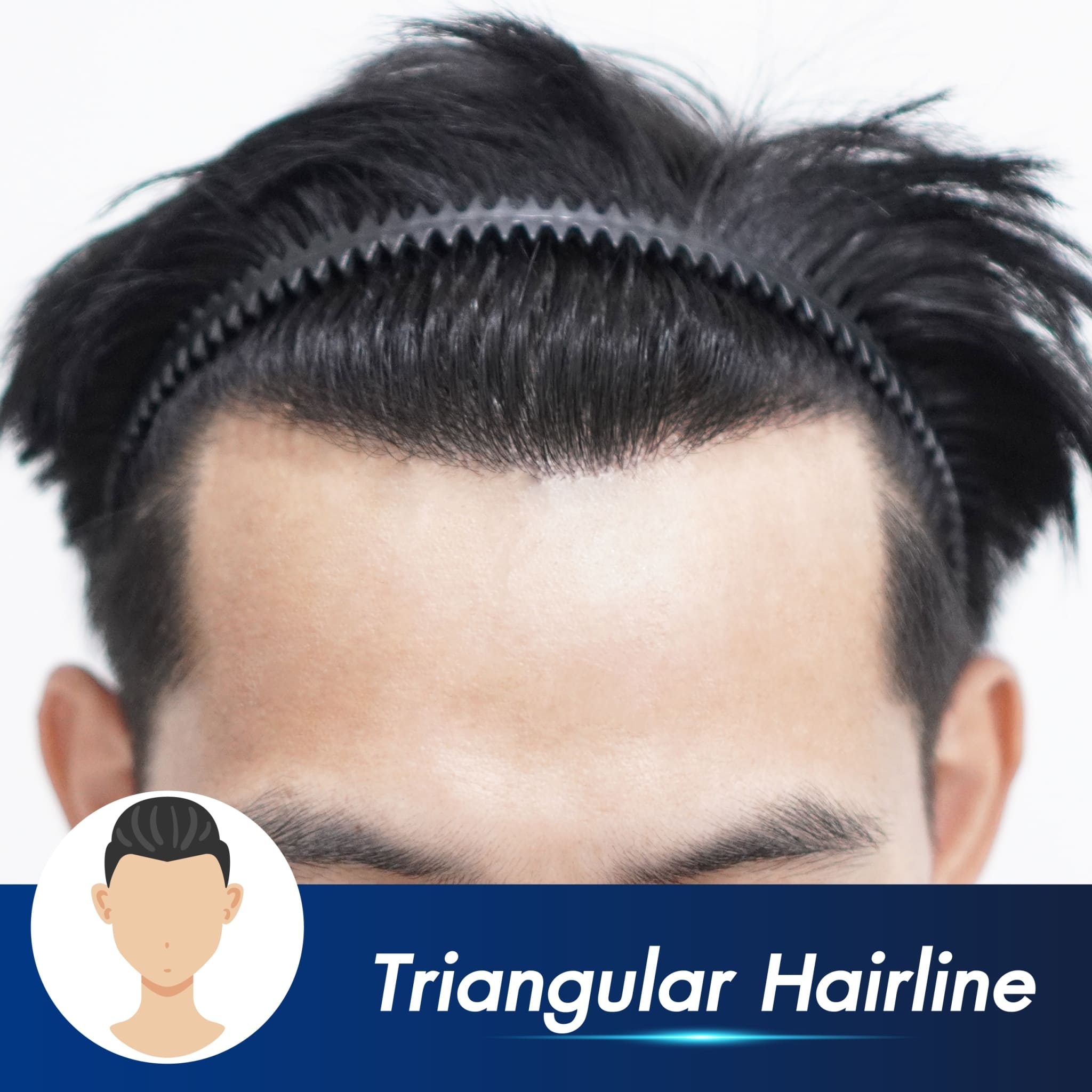
Read more : Hairline Design
Conclusion
Direct Hair Implantation (DHI) is an advanced hair transplant technique that offers precision, natural results, and controlled implantation. With proper planning, skilled execution, and appropriate aftercare, DHI can help restore hair density and confidence effectively.
A consultation with an experienced hair restoration specialist is the best way to determine whether DHI is the right solution for your needs. For a complete overview of treatment options and services, visit hair transplant in Bangkok.


About the Author
Dr. Pathompob Khunkitti, MD is a hair transplant doctor and ISHRS member with expertise in FUE, DHI, and long hair transplantation.
He specializes in advanced hair restoration, with strong knowledge of scalp anatomy and natural hairline design, delivering safe, natural-looking results trusted by patients.