


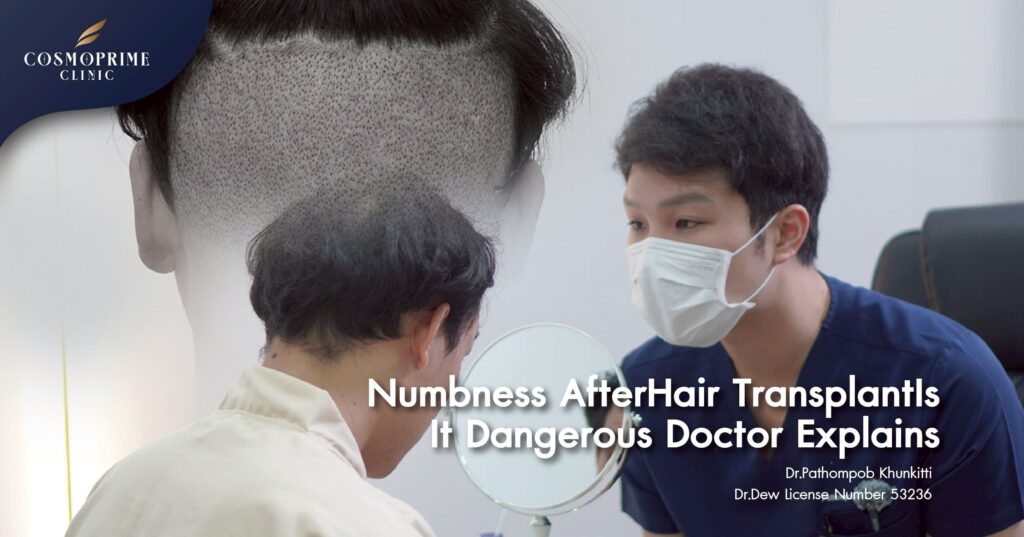
After undergoing a hair transplant, many patients ask me with concern:
“Is scalp numbness after a hair transplant dangerous, and how long does it take to recover?”
As a physician who regularly performs and follows up hair transplant procedures, I would like to clarify that scalp numbness after a hair transplant is common and usually not dangerous. Understanding the cause and recovery timeline can greatly reduce unnecessary anxiety.
What Is Scalp Numbness After a Hair Transplant?
Scalp numbness refers to reduced sensation in certain areas of the scalp. Patients may experience:
-
Numbness or dull sensation
-
Tightness of the scalp
-
Decreased sensitivity to touch
-
A feeling of thickened skin
These symptoms may occur in both the recipient area (where hair is implanted) and the donor area (usually the back of the scalp).
Causes of Scalp Numbness After Hair Transplant (Medical Explanation)
From a medical perspective, scalp numbness occurs mainly due to:
-
Local anesthesia injections
Anesthetic agents temporarily block nerve signal transmission. -
Temporary irritation of small sensory nerves
Both FUE and FUT techniques involve creating multiple small incisions, which can affect superficial sensory nerves. -
Natural wound-healing process
During tissue and nerve regeneration, numbness, tightness, or mild itching may occur.
👉 Importantly, these nerves are not permanently damaged but temporarily affected.
Temporary numbness can occur after different transplant techniques, including methods that involve individual graft extraction or implantation.
How Long Does Scalp Numbness Last After Hair Transplant?
Based on clinical experience, recovery usually follows this timeline:
-
1–4 weeks after surgery
Numbness and tightness are common and considered normal. -
1–3 months
Sensation gradually begins to return. -
3–6 months
Most patients regain near-normal sensation. -
More than 6 months (rare cases)
May occur in patients with large graft numbers or slower nerve recovery.
If symptoms gradually improve, this indicates normal nerve healing.
Which Symptoms Are Considered Normal?
From a medical standpoint, the following symptoms are generally normal:
- Localized numbness in the donor or recipient area
- No severe or worsening pain
- No redness, swelling, heat, or discharge
- Gradual improvement over time
Patients choosing techniques that minimize shaving or allow longer hairstyles may still experience temporary numbness during healing. Long Hair Transplant option
When Should You See a Doctor?
Patients should consult their physician if they experience:
- Numbness lasting longer than 6 months without improvement
- Burning, stabbing, or increasing pain
- Redness, swelling, warmth, or pus
- Pain even with light touch
These symptoms may indicate inflammation or complications that require medical evaluation.
How to Reduce Scalp Numbness (Doctor’s Advice)
-
Avoid scratching, massaging, or applying pressure to the scalp
-
Do not sleep with prolonged pressure on the transplanted area
-
Maintain a balanced diet rich in vitamin B, which supports nerve recovery
-
Get adequate rest
-
Follow post-hair-transplant instructions provided by your physician strictly
Medical Summary
Scalp numbness after a hair transplant is a common and temporary condition associated with nerve recovery during healing. In most cases, it resolves naturally within several months. If symptoms improve progressively, patients can be reassured. However, persistent or worsening symptoms should be evaluated by a qualified physician.


About the Author
Dr. Pathompob Khunkitti, MD is a hair transplant doctor and ISHRS member with expertise in FUE, DHI, and long hair transplantation.
He specializes in advanced hair restoration, with strong knowledge of scalp anatomy and natural hairline design, delivering safe, natural-looking results trusted by patients.