


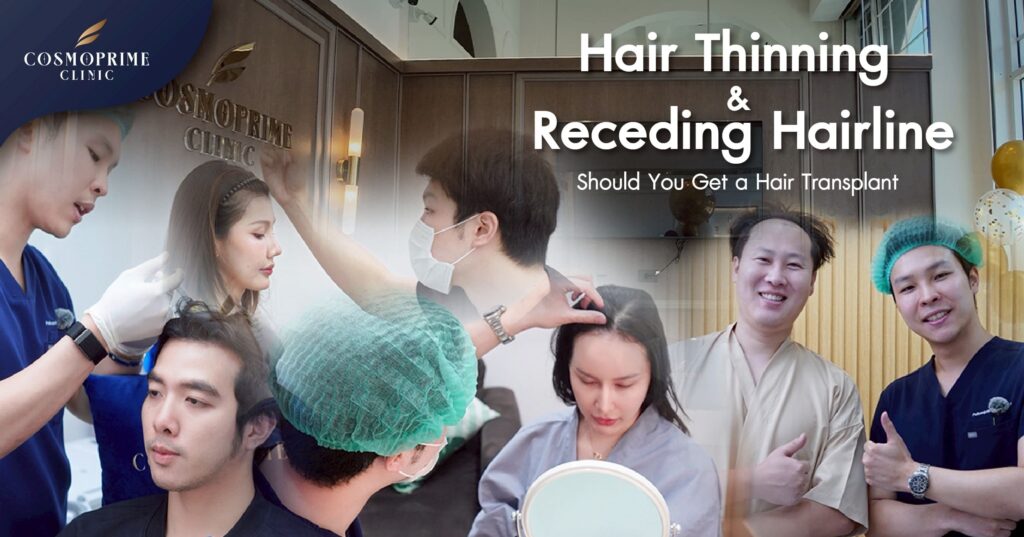
A Practical Guide by Cosmo Clinic
Hair thinning, excessive hair loss, a receding hairline, or a visibly thinning scalp can quietly affect confidence more than many people realize. The good news is that today there are multiple options available, including hair transplant procedures and non-surgical hair treatments.
However, the most important question is not
“Which treatment looks the most advanced?”
but rather
“Which option is suitable for your current hair condition?”
This article provides a clear overview to help you understand your options, based on the evaluation approach used at Cosmo Clinic.
What Causes Hair Thinning and Hair Loss, and Where Should You Start?
Hair thinning and hair loss can be caused by various factors, including genetics, hormonal changes, stress, lack of sleep, postpartum changes, or improper hair care habits.
Understanding the underlying cause is essential, as not every case of hair loss requires a hair transplant.
In many situations, hair loss may improve with proper scalp care, lifestyle adjustments, and continuous monitoring.
Quick Answer: When Is a Hair Transplant Recommended?
A hair transplant is generally suitable for individuals who experience progressive hair thinning, visible scalp exposure, or a permanent receding hairline.
In contrast, hair loss caused by temporary factors such as stress, illness, or lifestyle issues often responds well to non-surgical treatments and ongoing hair restoration plans, without the need for immediate transplantation.
Is a Hair Transplant Necessary for Everyone?
A hair transplant is not necessary for everyone.
People who experience hair shedding due to temporary conditions—such as stress, sleep deprivation, postpartum changes, or excessive hair styling—may see improvement through non-surgical treatments and proper hair care.
At Cosmo Clinic, this group is often advised to begin with conservative treatment and observation before considering surgical options.
The Evaluation Approach at Cosmo Clinic
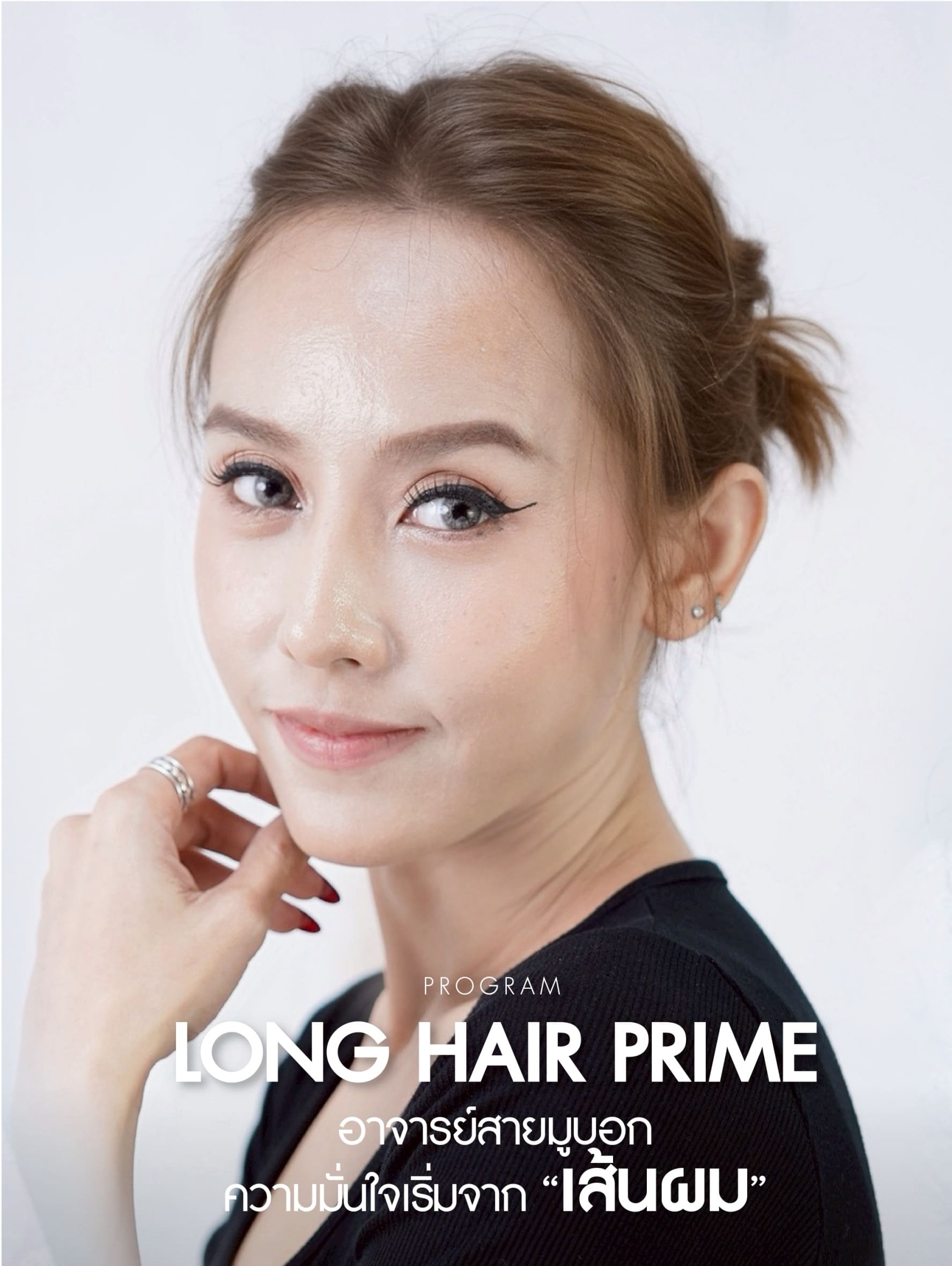
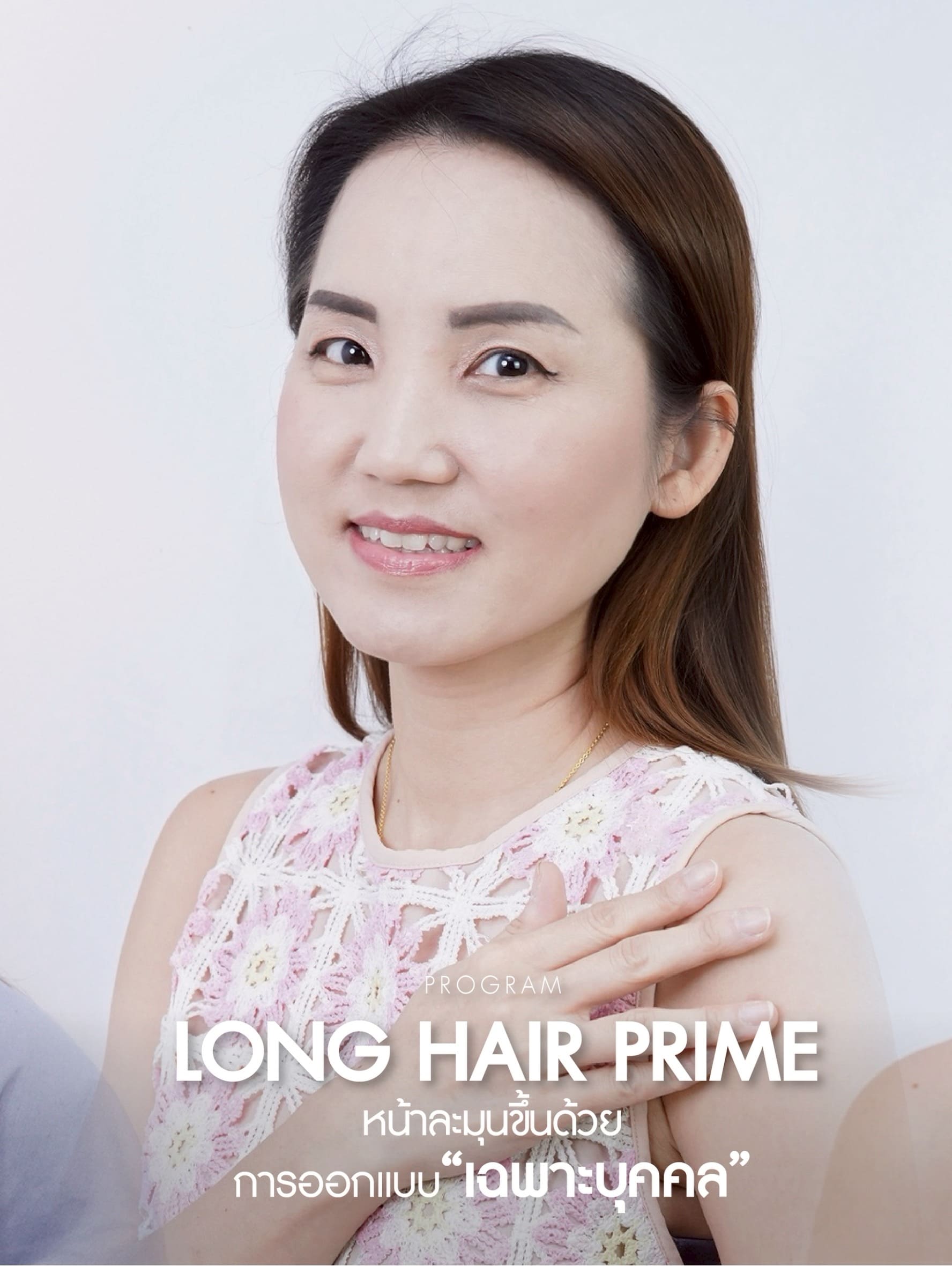
Cosmo Clinic prioritizes individualized hair assessment before recommending any hair transplant or hair restoration procedure.
Doctors evaluate:
-
The severity and progression of hair thinning
-
The quality and density of the donor area
-
Lifestyle factors and long-term hair goals
This approach helps ensure that treatment plans are appropriate, realistic, and not excessive.


When Might a Hair Transplant Be a Suitable Option?
A hair transplant may be considered if you experience:
-
Continuous hair thinning over time
-
A receding frontal hairline
-
Noticeable bald or thinning areas that are difficult to style
Before proceeding, doctors will assess whether the donor area is sufficient and which technique best suits your facial structure and daily hairstyle.
How to Choose the Right Hair Transplant Clinic
The best answer is not “any clinic,” but a clinic that emphasizes personalized evaluation and long-term follow-up care.
Important factors to consider include:
-
Detailed medical consultation
-
Scalp and hairline analysis
-
Personalized hairline and graft planning
-
Clear post-treatment care instructions and follow-up
Hair Transplant and Hair Restoration Options at Cosmo Clinic
FUE Hair Transplant
FUE involves extracting individual hair grafts from the donor area and transplanting them to thinning regions.
It is suitable for hairline restoration, crown thinning, or localized hair loss, with small incisions and structured aftercare.
DHI Hair Transplant
DHI focuses on precise graft placement and control of hair direction and angle.
This technique is often chosen for patients who want refined hairline details and natural-looking density.
Long Hair Transplant
Long Hair transplantation allows existing hair length to be maintained in certain areas, helping with early-stage visual coverage.
This method requires careful graft selection and is suitable only after professional evaluation.
Non-Surgical Hair Restoration Options
Laser Hair Stimulation
Laser treatments are often used to support scalp health and stimulate hair follicles in certain types of hair thinning.
PRP (Platelet-Rich Plasma) Therapy
PRP therapy uses the patient’s own platelets to support hair follicle activity.
Treatment plans are customized based on individual hair conditions and response.
Conclusion: Should You Start with a Hair Transplant or Hair Restoration?
A hair transplant is one effective option for individuals with progressive hair thinning or permanent hair loss, but it is not the only solution.
The philosophy at Cosmo Clinic is to evaluate first, choose the most appropriate method, and provide continuous care after treatment.
If you are unsure which option suits your condition, a professional consultation can help clarify the best path forward.


About the Author
Dr. Pathompob Khunkitti, MD is a hair transplant doctor and ISHRS member with expertise in FUE, DHI, and long hair transplantation.
He specializes in advanced hair restoration, with strong knowledge of scalp anatomy and natural hairline design, delivering safe, natural-looking results trusted by patients.