


Hair transplant aftercare plays a critical role in determining whether transplanted hair grafts survive and grow successfully. Proper care after surgery helps reduce swelling, prevent infection, and ensure the best possible hair growth results.
Proper hair transplant aftercare plays a critical role in graft survival and long-term hair growth. Patients who undergo advanced procedures such as FUE hair transplant or DHI hair transplant must follow strict post-operative care instructions.
What Is Hair Transplant Aftercare?
Hair transplant aftercare refers to the set of instructions patients must follow after a hair transplant procedure to protect newly implanted grafts and support proper healing of the scalp.
Good aftercare helps to:
-
Improve graft survival rate
-
Minimize swelling and discomfort
-
Reduce the risk of infection
-
Promote healthy and natural hair growth
Hair transplant aftercare is especially important for advanced techniques such as
Long Hair hair transplant where graft handling and healing precision directly affect final results.

7 Essential Hair Transplant Aftercare Tips
1. Avoid Touching or Scratching the Grafts
Newly transplanted grafts are extremely fragile during the first few days. Touching, rubbing, or scratching the scalp may dislodge grafts and negatively affect results.
2. Sleep With Your Head Elevated
Sleeping with your head elevated for the first 3–5 nights helps reduce swelling and prevents pressure on the transplanted area.
3. Follow Washing Instructions Carefully
Most patients can gently wash their hair after 3–5 days, depending on the clinic’s advice. Always use mild shampoo and avoid strong water pressure.
4. Take Prescribed Medications as Directed
Antibiotics, pain relievers, or anti-swelling medications should be taken exactly as prescribed to support healing and prevent complications.
5. Protect Your Scalp From Sun Exposure
Direct sunlight can irritate the scalp and damage healing tissue. Wearing a loose hat or avoiding sun exposure is recommended for at least 2 weeks.
6. Stay Hydrated and Eat Nutritious Foods
A healthy diet rich in protein, vitamins, and minerals supports tissue repair and hair growth after transplantation.
7. Attend Follow-Up Appointments
Regular follow-up visits allow doctors to monitor healing and address any concerns early, improving long-term results.
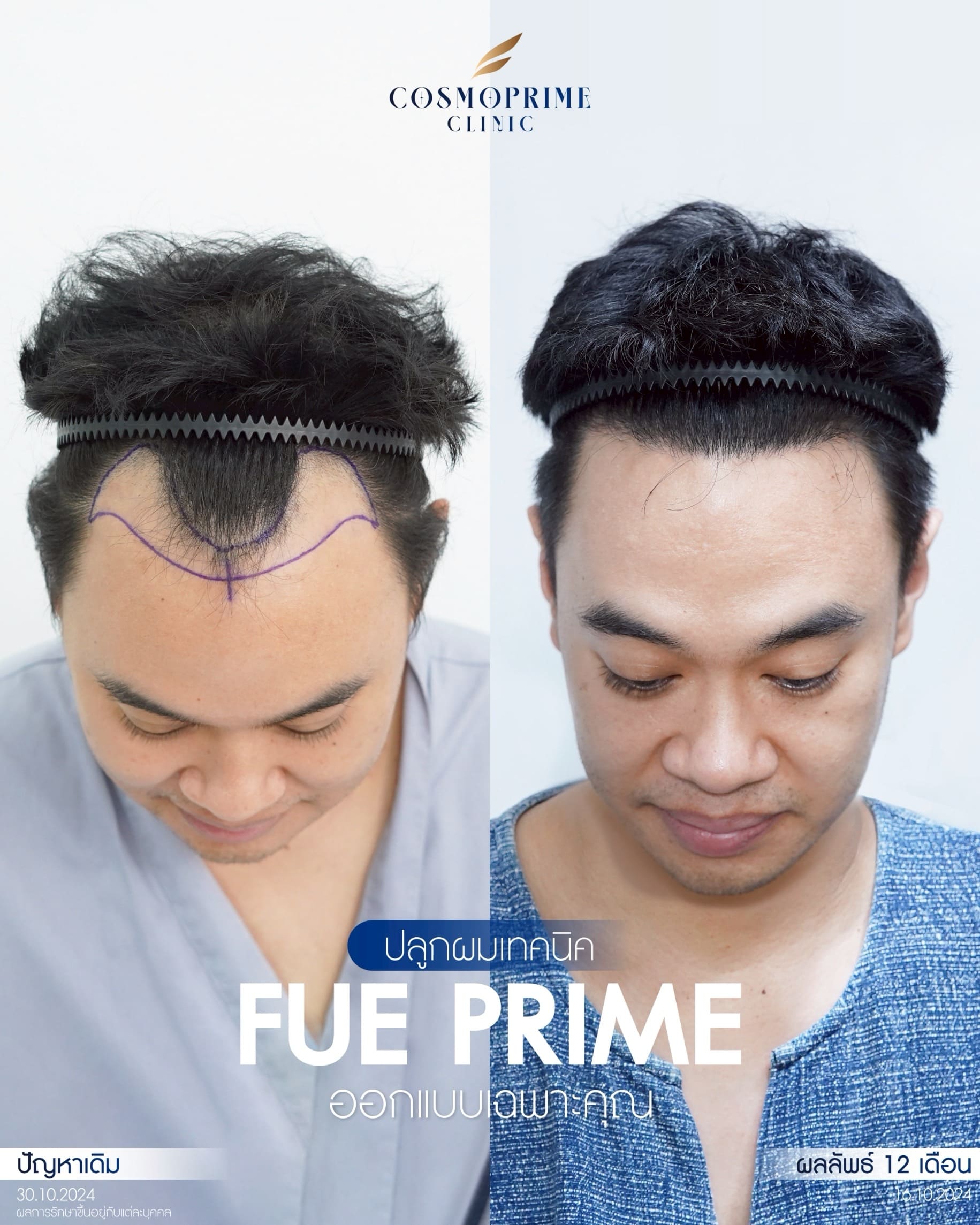
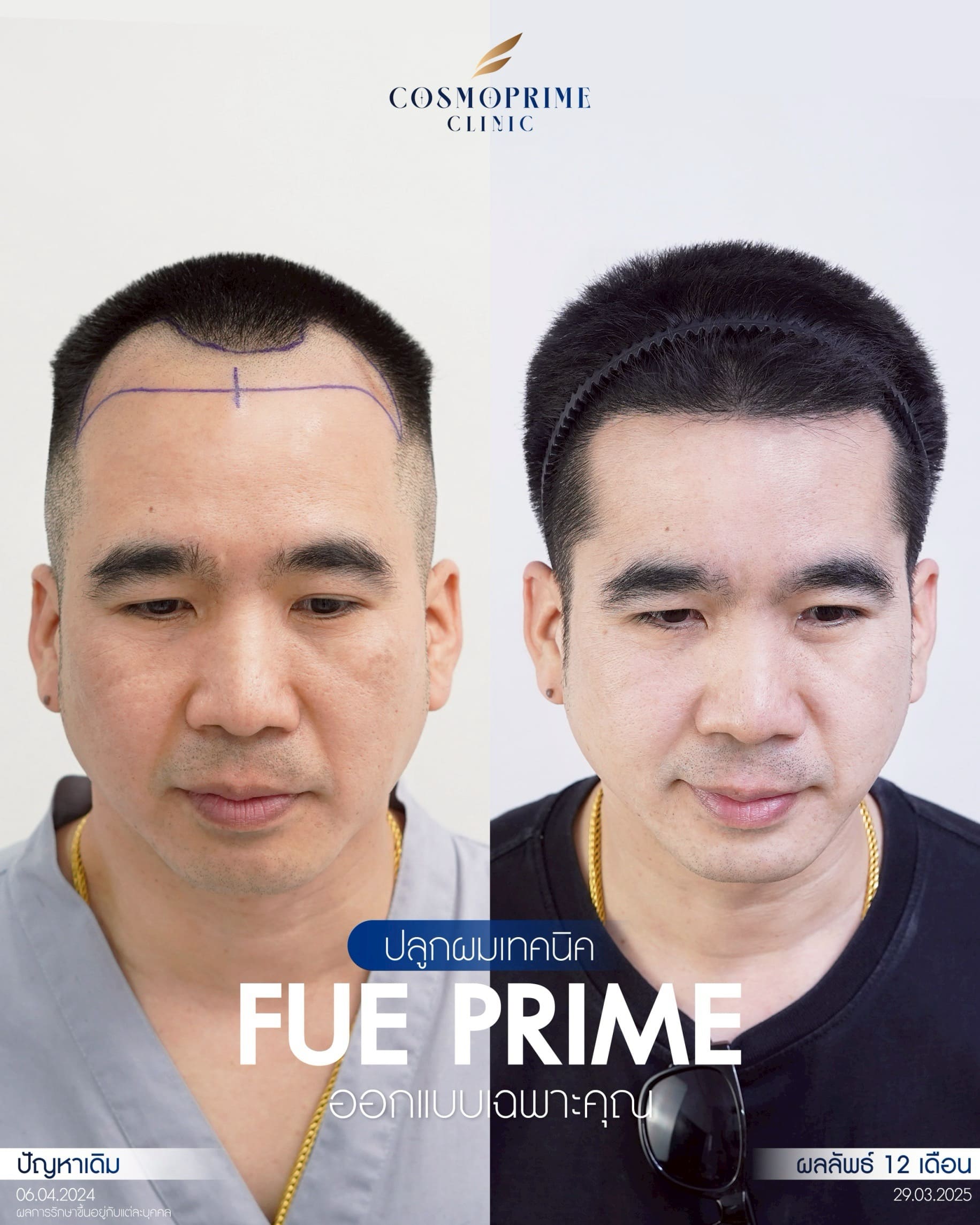
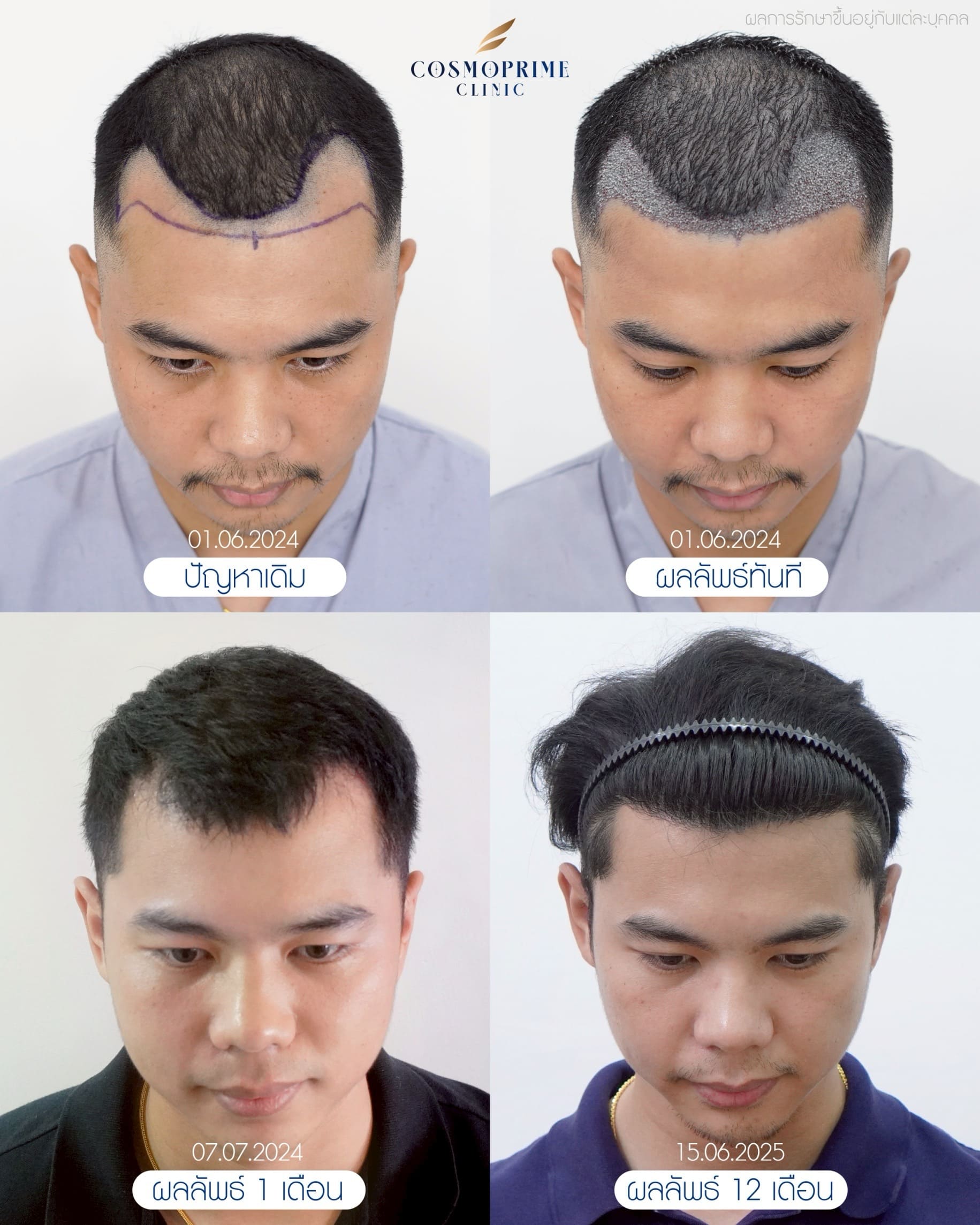
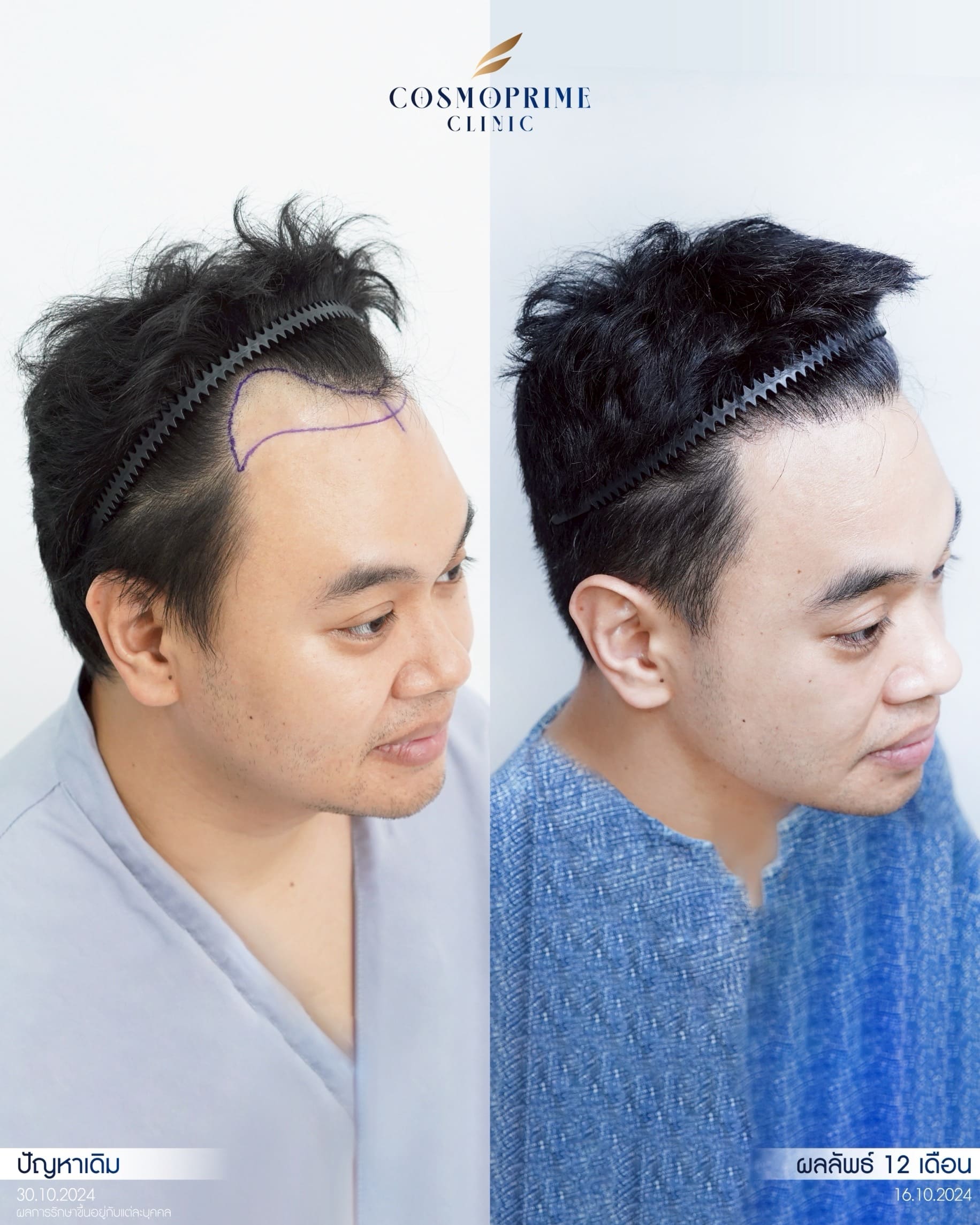
To see real patient outcomes after proper aftercare, visit our hair transplant patient reviews.
7 Things to Avoid After Hair Transplant Surgery
1. Avoid Intense Physical Exercise
Heavy exercise increases blood pressure and sweating, which may cause graft displacement or bleeding. Avoid workouts for at least 7–14 days.
2. Avoid Smoking and Alcohol
Smoking reduces blood flow to the scalp, while alcohol increases swelling. Both can negatively affect graft survival.
3. Avoid Wearing Tight Hats or Helmets
Tight headwear can rub against grafts and disrupt healing. Only wear loose hats if approved by your clinic.
4. Avoid Scratching Scabs
Scabs will naturally fall off within 7–14 days. Scratching them prematurely may pull out grafts.
5. Avoid Swimming and Saunas
Swimming pools, seawater, and saunas increase the risk of infection and should be avoided for at least 2–3 weeks.
6. Avoid Hair Styling Products
Hair gel, wax, sprays, and chemical products can irritate the scalp and should not be used until fully healed.
7. Avoid Ignoring Medical Instructions
Not following professional aftercare advice may result in poor hair growth, infection, or graft failure.
FAQ
How many days after a hair transplant can I wash my hair?
Most patients can gently wash their hair 3–5 days after surgery, following clinic-specific instructions.
How long does swelling last after a hair transplant?
Swelling usually lasts between 3–7 days and gradually decreases as healing progresses.
When will transplanted hair start to grow?
Initial shedding often occurs within the first month. New hair growth typically begins after 3–4 months, with full results visible in 9–12 months.
What happens if aftercare instructions are not followed?
Ignoring aftercare guidelines can damage grafts, slow healing, and reduce final hair density.
Why Proper Hair Transplant Aftercare Matters
Proper hair transplant aftercare is one of the most important factors that determines whether transplanted grafts survive and grow successfully.
Patients who strictly follow aftercare instructions generally experience faster recovery and better long-term outcomes.
Personalized Hair Transplant Care at CosmoPrime Clinic
CosmoPrime Clinic provides comprehensive hair restoration services, including post-transplant care. Our approach includes:
- Individual Hair Loss Assessments: Tailored treatment plans based on your unique needs.
- Advanced Hair Transplant Techniques: Delivering natural, lasting outcomes.
- Post-Transplant Monitoring: Ongoing care and professional advice for optimal results.
Conclusion
Proper aftercare is essential for achieving the best hair transplant results. Following your doctor’s instructions helps ensure that your new hair grows strong and healthy. Key takeaways include:
- Avoid touching or scratching the scalp
- Refrain from using chemical hair products
- Protect the scalp from sunlight and avoid intense exercise
- Maintain a nutrient-rich diet to support hair growth


About the Author
Dr. Pathompob Khunkitti, MD is a hair transplant doctor and ISHRS member with expertise in FUE, DHI, and long hair transplantation.
He specializes in advanced hair restoration, with strong knowledge of scalp anatomy and natural hairline design, delivering safe, natural-looking results trusted by patients.